What is 1765 Regina?
Formation for Catholic women: tools, prayers and a library for the woman who means to live her faith at home, in every state of life. It is the sister of 1765 Sanctum, which serves Catholic men. Everything is free.
The House of 1765 · For Catholic women
1765 REGINA
Crown · Cradle · Covenant
“And a great sign appeared in heaven: A woman clothed with the sun, and the moon under her feet, and on her head a crown of twelve stars:”
Apocalypse 12:1 (Douay-Rheims)
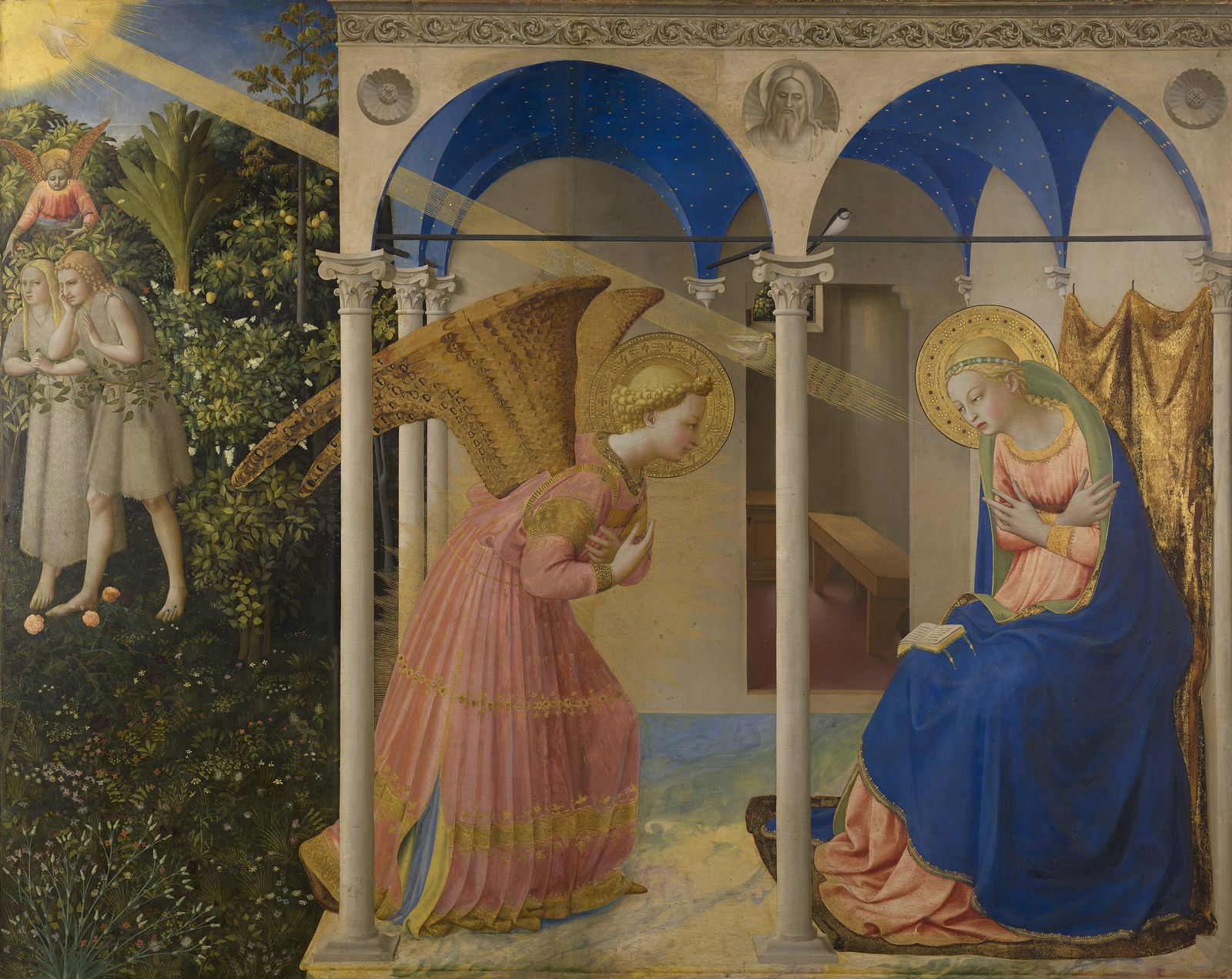 Fra Angelico, The Annunciation, 1425–26 · Museo del Prado, Madrid
I · The promise
The Church is a bride and a mother, and Mary is her perfect image. The family is the Church in miniature, fed at the altar of your parish. In your house you carry that image: at the table, by the cradle, at the prayer corner, in the hours no one sees. Thirty days to begin. Free, private, and yours.
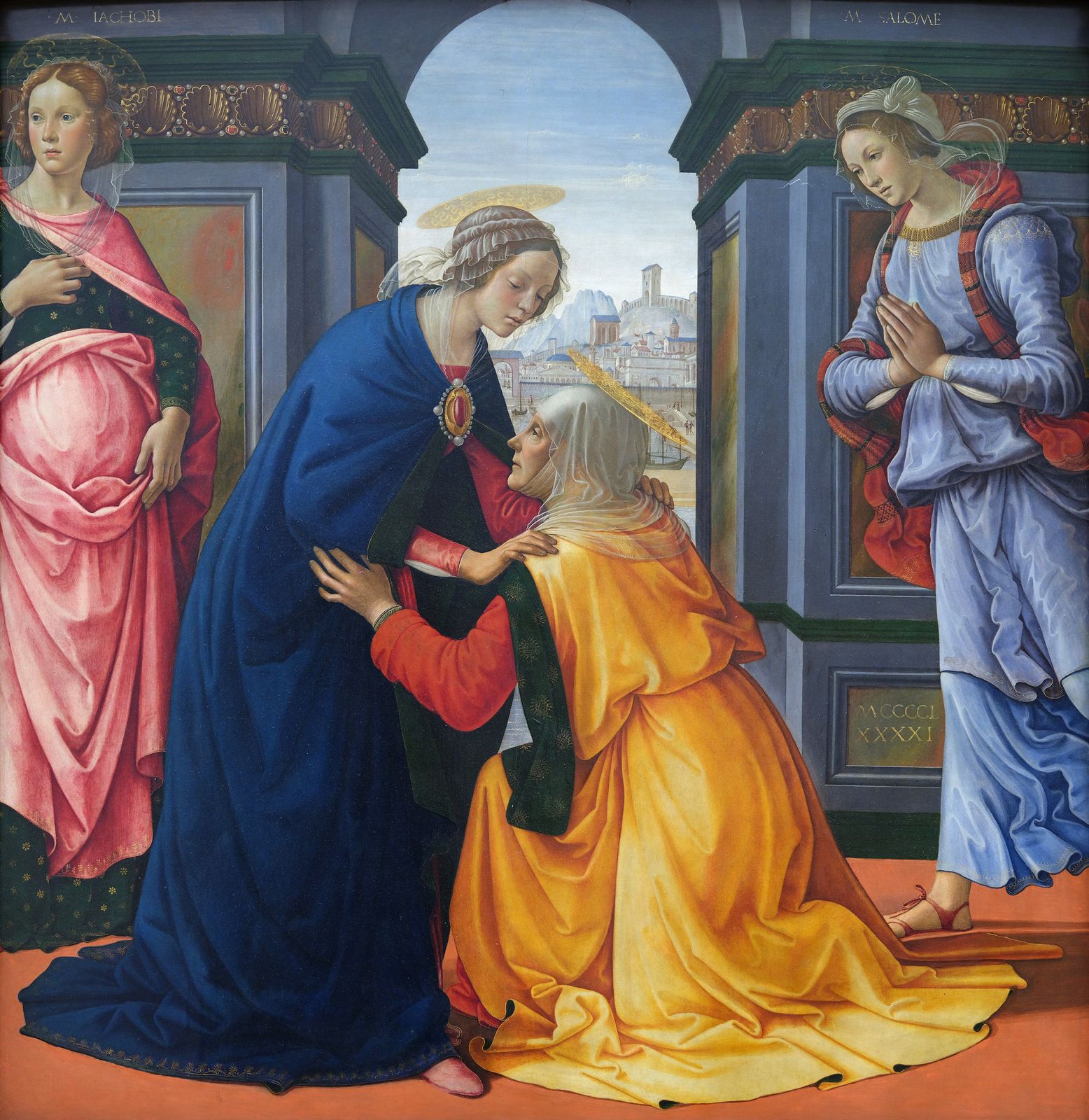 Domenico Ghirlandaio, The Visitation, 1491 · Musée du Louvre, Paris
II · The Church in the home
“And Mary rising up in those days, went into the hill country with haste into a city of Juda.”
Luke 1:39 · Douay-Rheims
A household rule of prayer that fits a real day: tonight's family prayer, grace at the table, the Angelus at noon, a blessing at bedtime, each child's patron and sacraments, kept in one place.
Open The Church in the Home →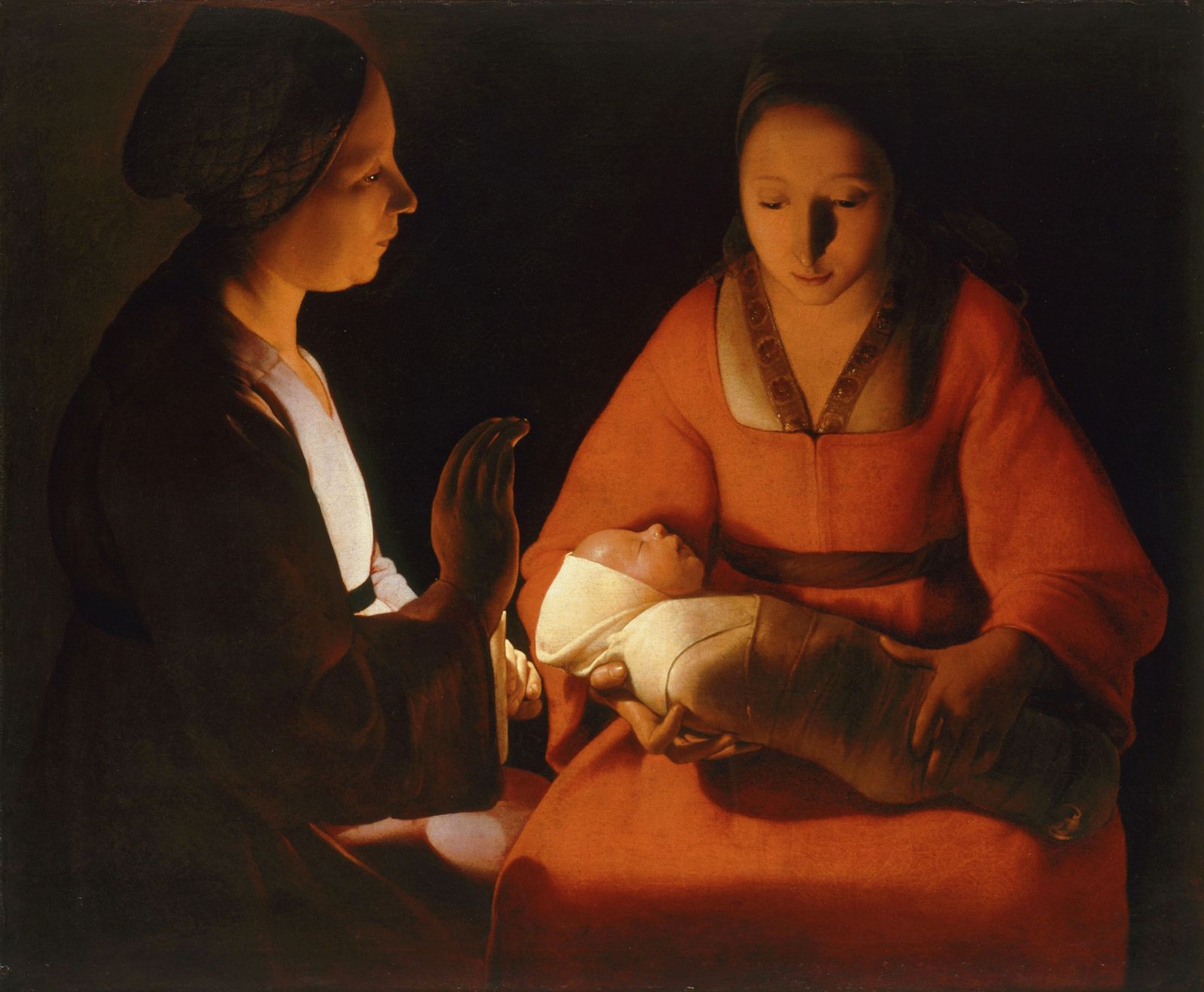 Georges de La Tour, The Newborn, c. 1645 · Musée des Beaux-Arts de Rennes
III · The cradle
From the first weeks of waiting to the long nights after: a spiritual companion for every week, the Church's old blessings for a mother before and after childbirth and how to ask your priest for them, baptism made ready, and help close at hand when the dark comes. Not medical advice; a companion in prayer.
Open The Cradle →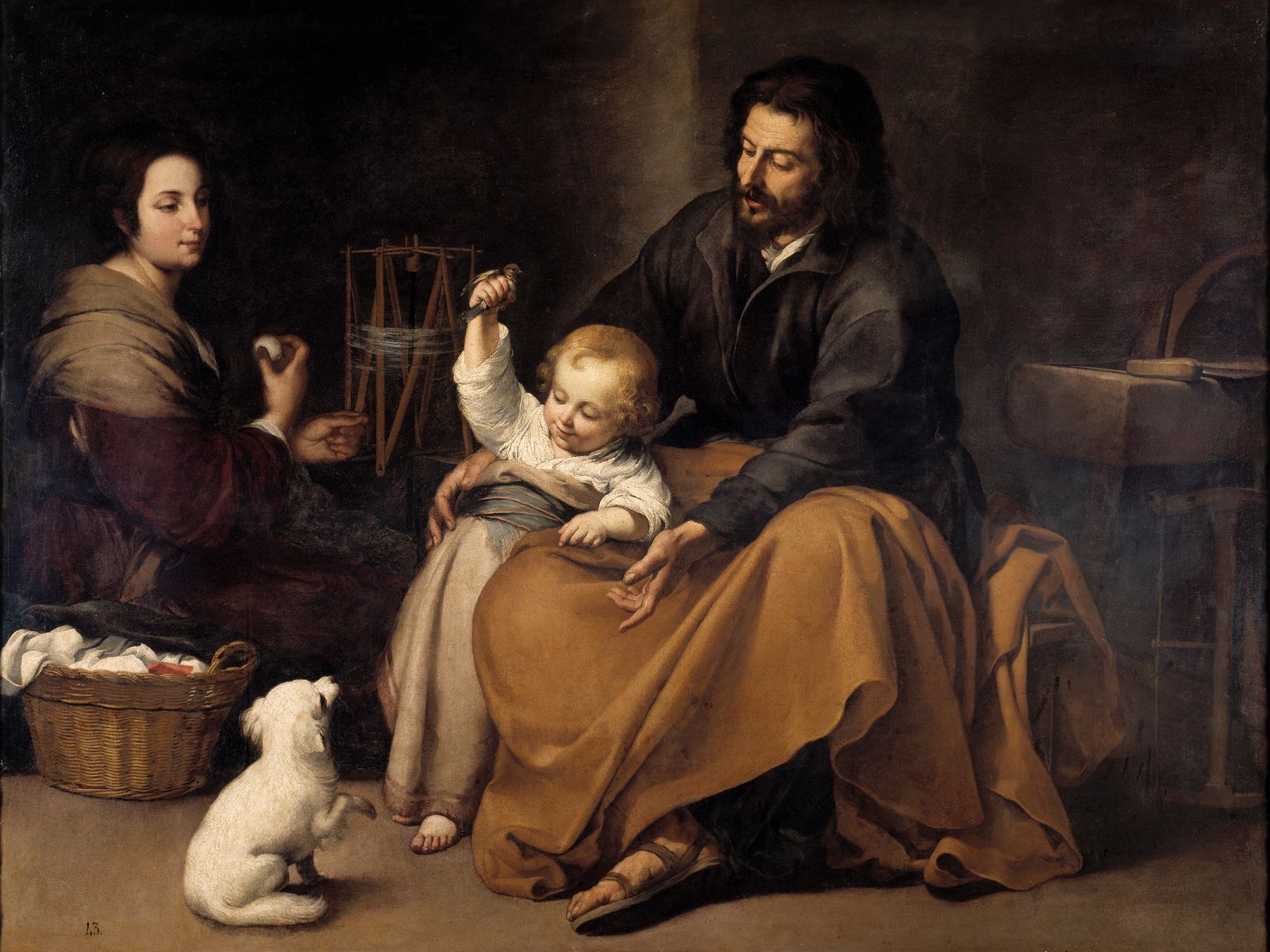 Bartolomé Esteban Murillo, The Holy Family with a Little Bird, c. 1650 · Museo del Prado, Madrid
IV · The year at home
The Church's year brought to your table: today's feast and season, its colour, the days of fasting, one tradition to keep, and your children's name days and baptism days marked like birthdays.
Open The Liturgical Home →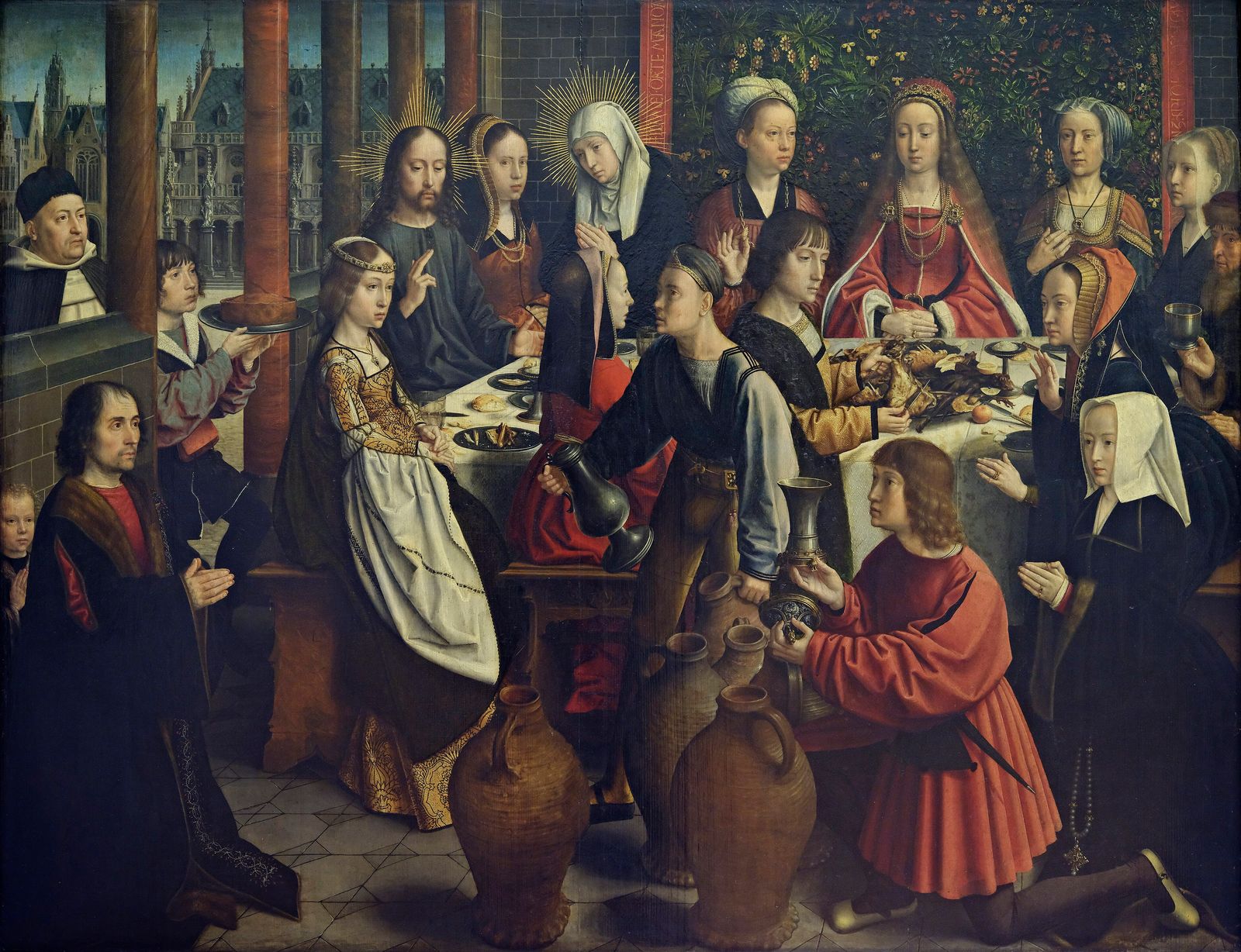 Gerard David, The Marriage at Cana, 1500–1510 · Musée du Louvre, Paris
V · The covenant
“His mother saith to the waiters: Whatsoever he shall say to you, do ye.”
John 2:5 · Douay-Rheims
Marriage from the wife's side: one promise of your vows to live this week, one small act each day, a monthly renewal on your wedding date, prayers for your husband, and plain help when a season is hard, or unsafe.
Open The Covenant →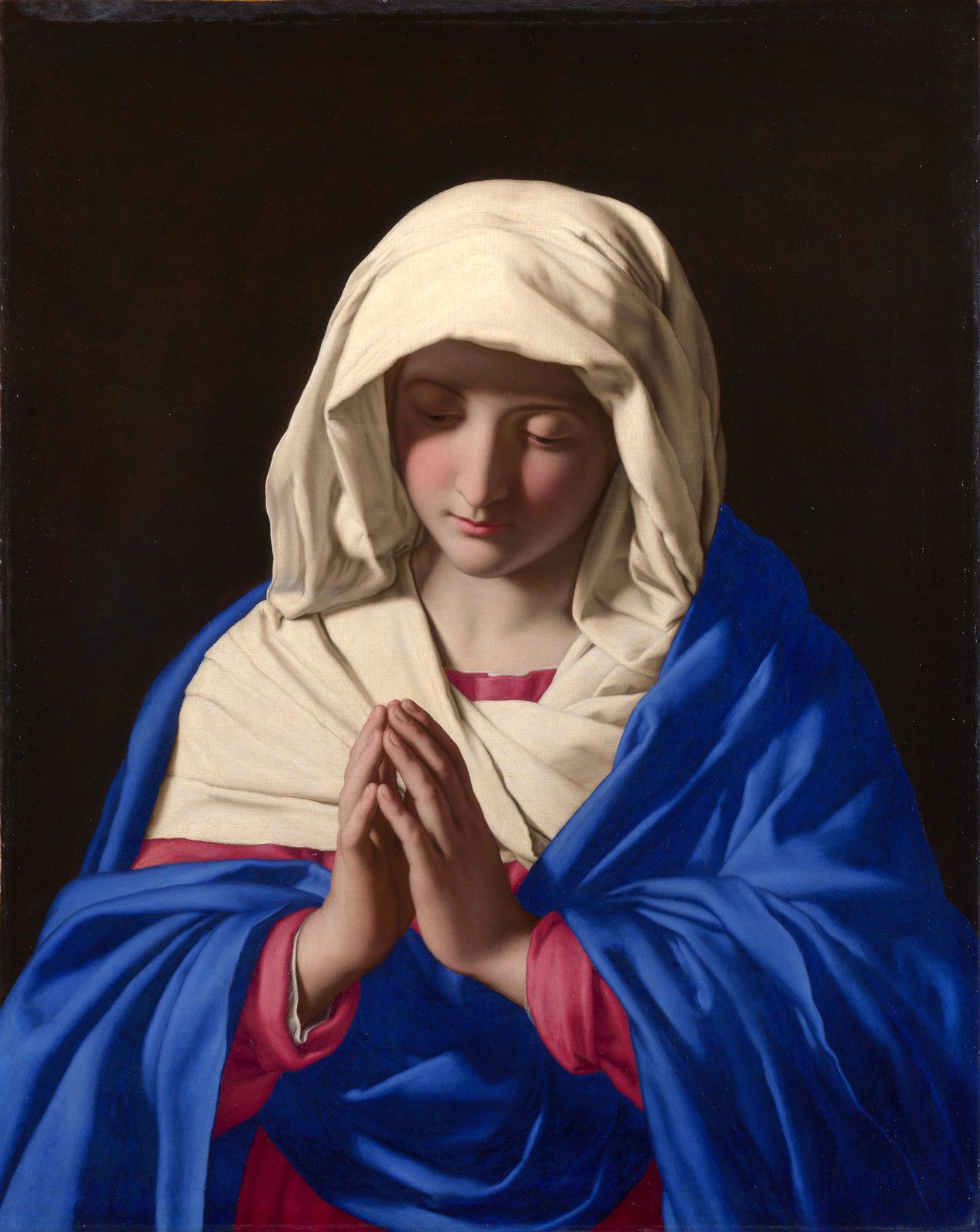 Sassoferrato, The Virgin in Prayer, 1640–50 · The National Gallery, London
VI · The Rosary
Today's mysteries, chosen for you; the Scripture of each and the old masters' paintings; Latin if you wish; an intention for every decade (your husband, each child, your own dead) and the place you left off.
Pray the Rosary →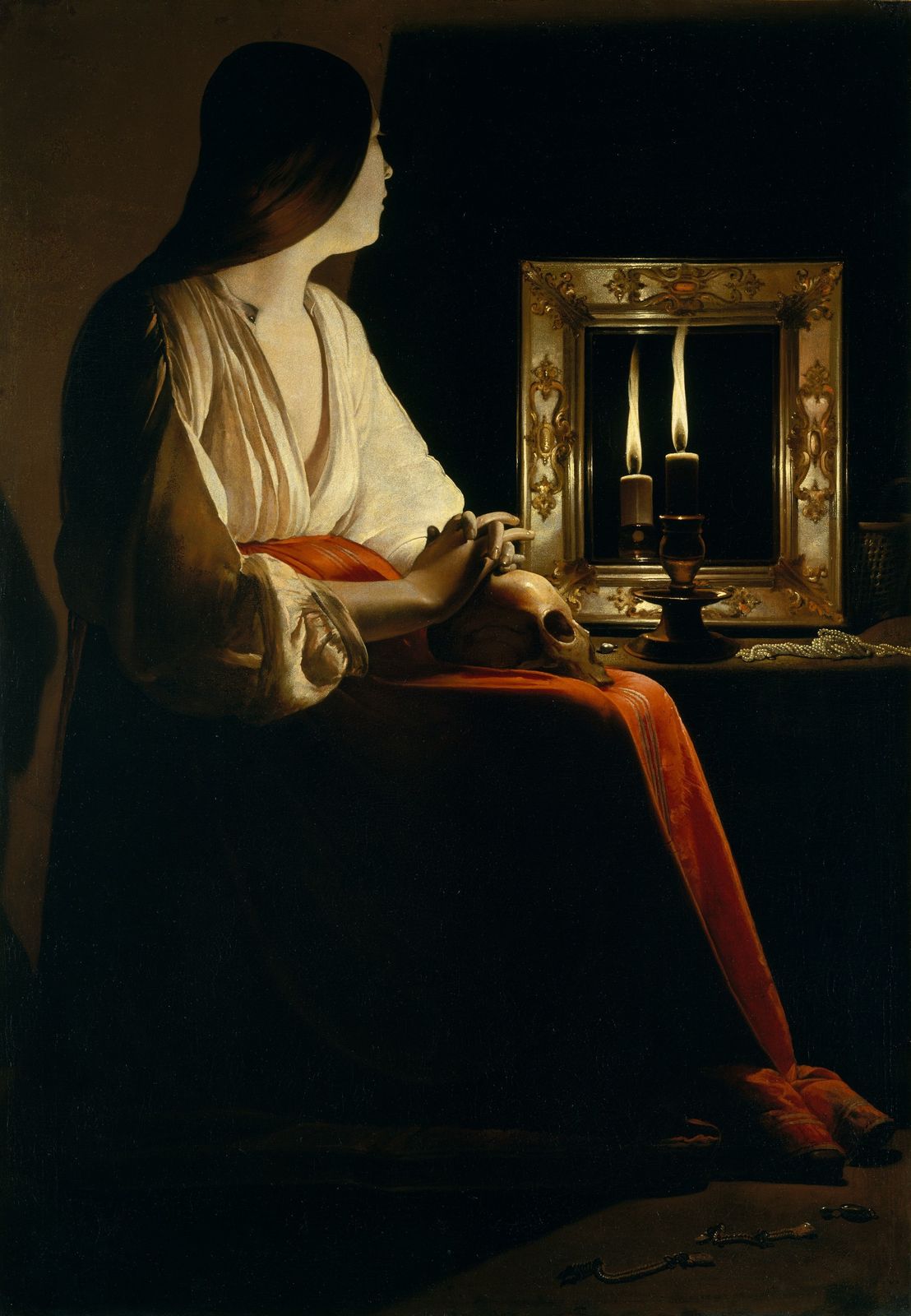 Georges de La Tour, The Penitent Magdalen, c. 1640 · The Metropolitan Museum of Art, New York
VII · The examination
“Wherefore I say to thee: Many sins are forgiven her, because she hath loved much.”
Luke 7:47 · Douay-Rheims
An examination of conscience written for a woman's life (wife, mother, single, widowed or consecrated). What you tap is never saved. Then the steps of confession, the Act of Contrition, and, if you wish, the date you went, kept on your device.
Prepare for confession →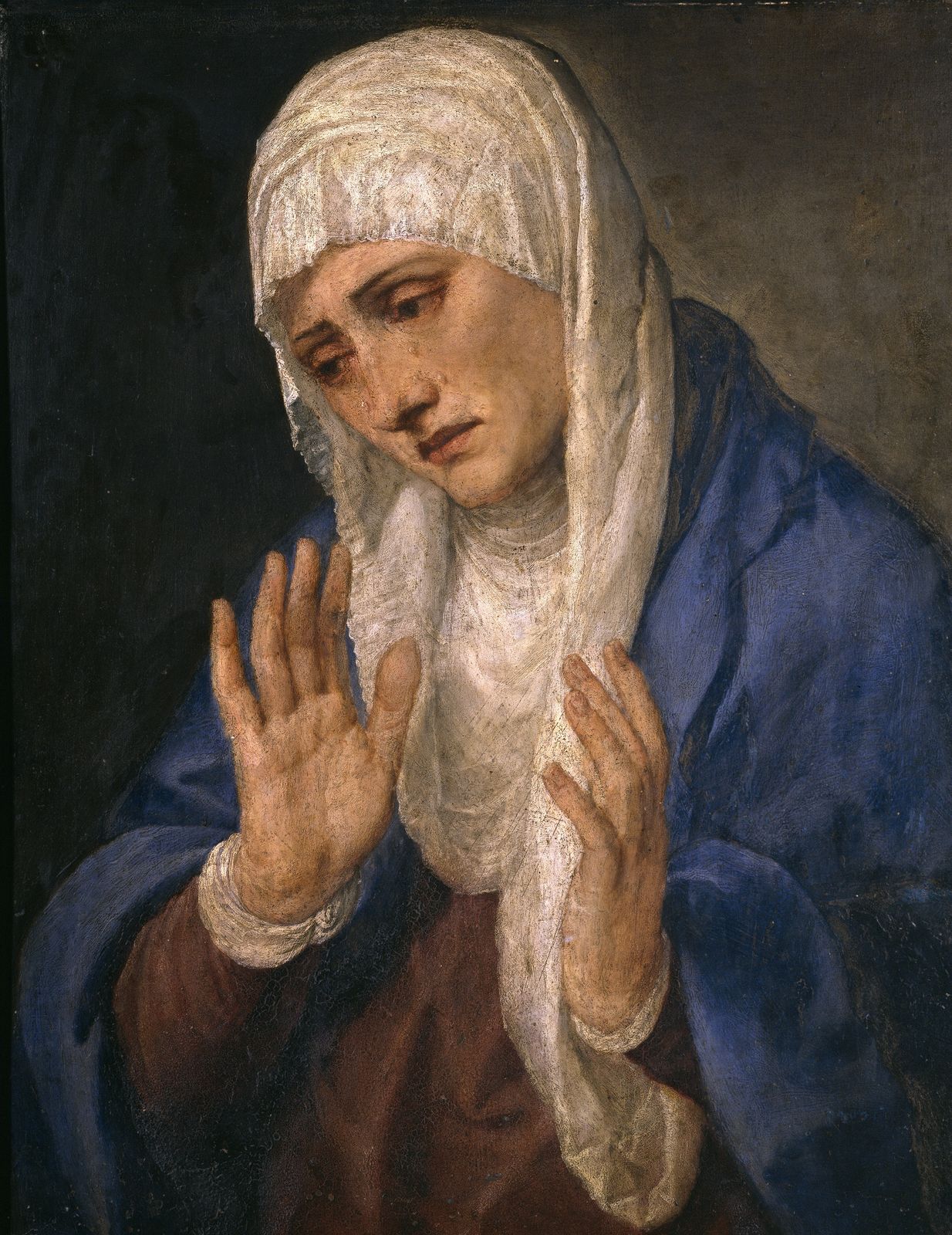 Titian, Mater Dolorosa, 1555 · Museo del Prado, Madrid
VIII · Mater Dolorosa
“Now there stood by the cross of Jesus, his mother, and his mother's sister, Mary of Cleophas, and Mary Magdalen.”
John 19:25 · Douay-Rheims
For the woman who has lost a baby, a child or a husband, or is watching a child walk away from the faith: what the Church teaches, the prayers of Our Lady of Sorrows, and people to call tonight. Always free.
Open Mater Dolorosa →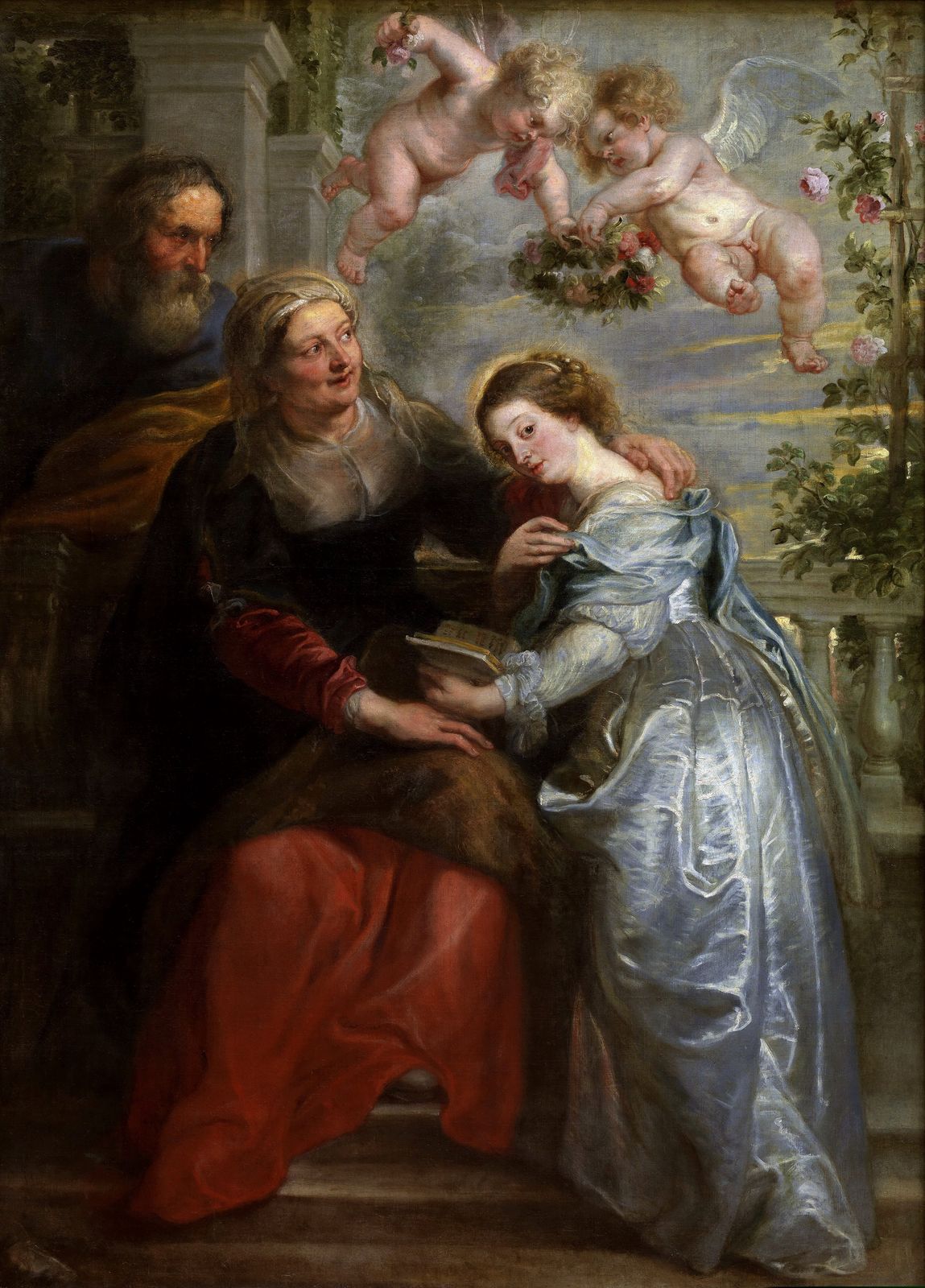 Peter Paul Rubens, The Education of Mary, 1630–35 · Royal Museum of Fine Arts, Antwerp
IX · The library
A prayer book of the Church's traditional prayers, each with its source, and a library on the questions women ask: praying for your children and your husband, pregnancy and loss, Ephesians 5, the domestic church. Claims of faith are checked against the Church's documents, and the sources are listed.
Open the Library →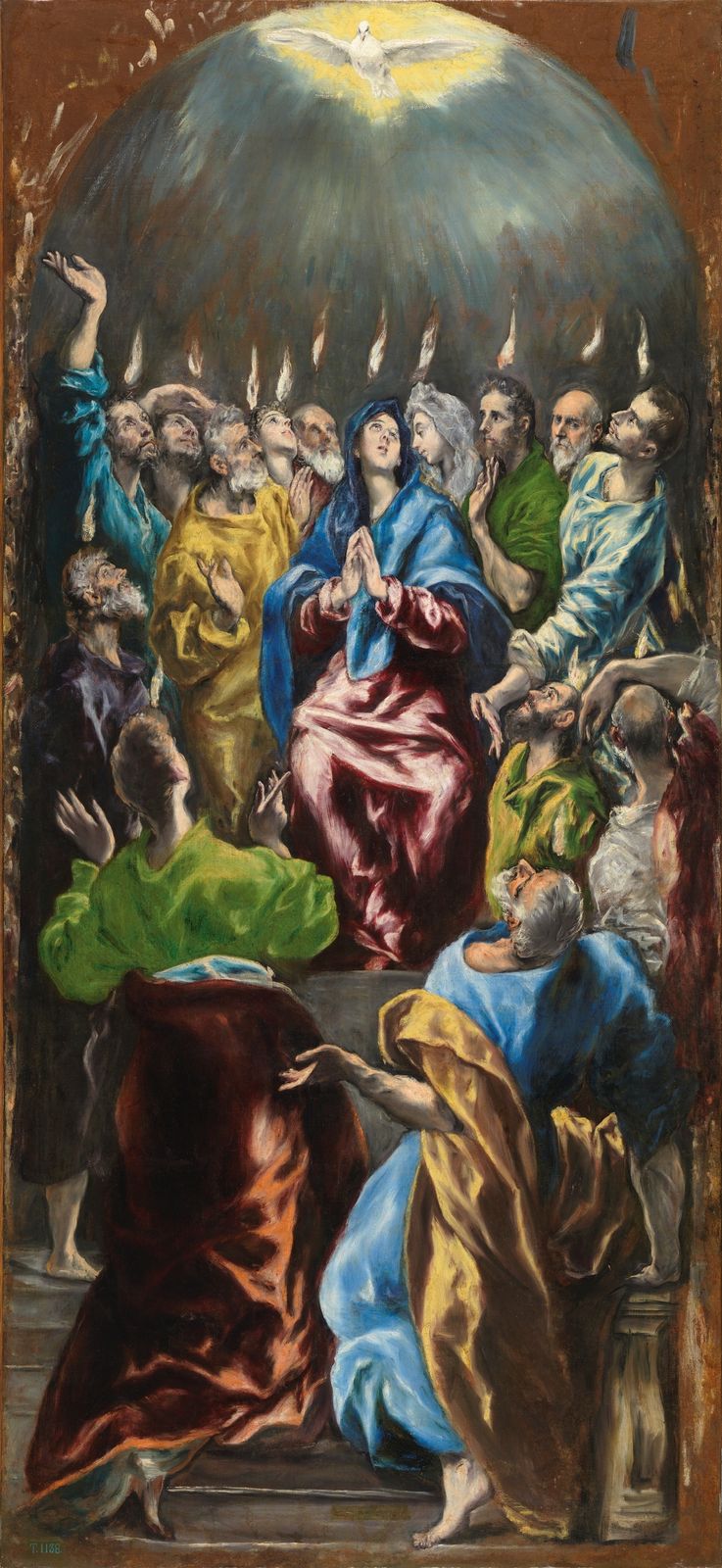 El Greco, Pentecost, c. 1600 · Museo del Prado, Madrid
X · The rule
“All these were persevering with one mind in prayer with the women, and Mary the mother of Jesus, and with his brethren.”
Acts 1:14 · Douay-Rheims
A rule of life you can keep: a few anchors, a small floor for the hard days and an aim for the good ones, a daily check, and a review every ninety days.
Write your rule →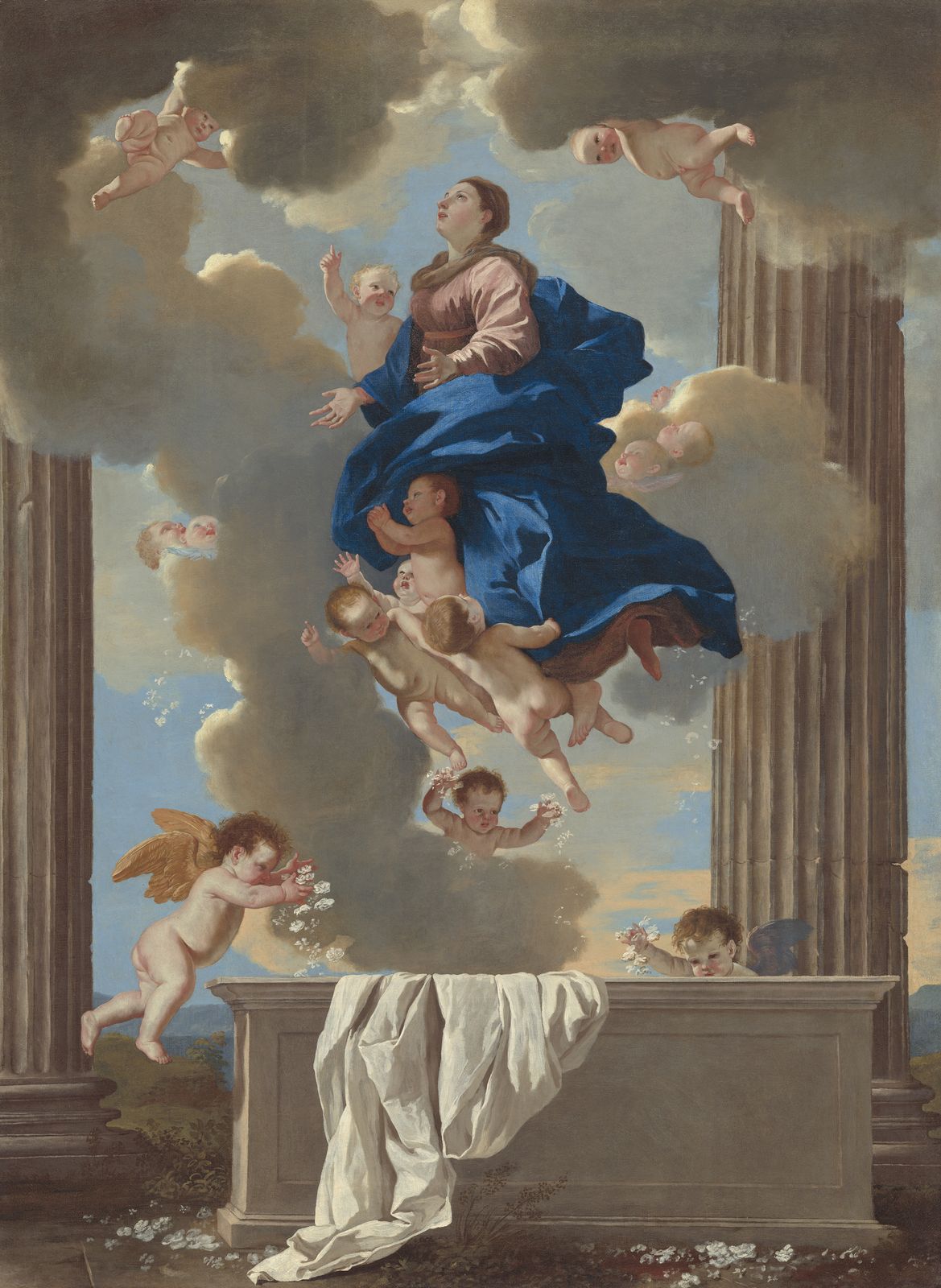 Nicolas Poussin, The Assumption of the Virgin, c. 1630–32 · National Gallery of Art, Washington
XI · The consecration
St Louis de Montfort's thirty-three days (twelve days, then three weeks), planned backward from the Marian feast you choose, with the prayers he set for each week.
Begin the consecration →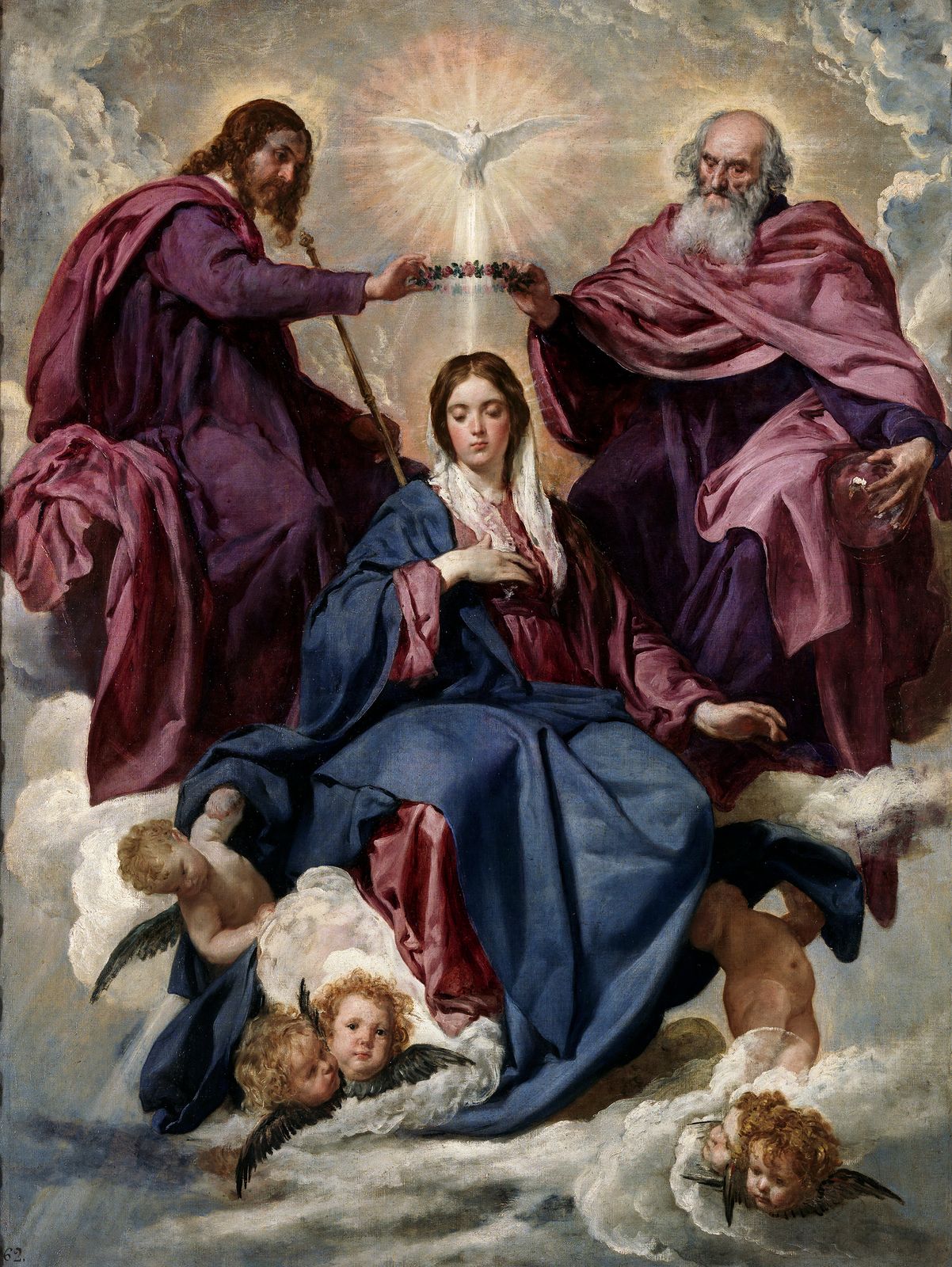 Diego Velázquez, The Coronation of the Virgin, 1635–36 · Museo del Prado, Madrid
XII · Crowned
Everything here is free and needs no account. What you pray and record stays on your own device unless you turn on sync. Keep it in your pocket with the Regina app. And join the founding list for The Regina Dispatch: we will write when it begins, and nothing else.
Get the appBegin with the Thirty Days, or go straight to what you need tonight. Free, no account, and it stays on your device.
For your husband: 1765 Sanctum, the same house, for men who mean to lead their homes in prayer as husbands and fathers. One household, one covenant.
Formation for Catholic women: tools, prayers and a library for the woman who means to live her faith at home, in every state of life. It is the sister of 1765 Sanctum, which serves Catholic men. Everything is free.
The Second Vatican Council calls the family, so to speak, the domestic church (Lumen Gentium 11). The Church is a virgin, a bride and a mother (Ephesians 5; Catechism 796), and Mary is her type and model (Lumen Gentium 63–65; Catechism 967, 972). Regina helps a woman carry that image in her house: prayer, the table, the cradle, the covenant. The whole family is the domestic church; she is called to its heart (Pius XI, Casti Connubii 27).
Yes. What you pray and record in the tools stays on your own device. If you choose to turn on sync, only a locked copy we cannot read leaves it. There are no analytics scripts, no advertising tags and no cookies. Like every website host, Cloudflare sees basic request data.
Yes. The Regina app runs in your phone's browser and installs to your home screen; it works offline. It is not in the App Store or Google Play yet.
No. Every tool asks your state of life (wife, mother, single, widowed, consecrated or discerning) and speaks to it. Spiritual motherhood belongs to every woman, married or not (Mulieris Dignitatem 21, 30).
How this is made: Regina is built with the help of AI under strict rules. Before anything is published, a separate AI review checks its claims of faith and fact against Scripture, the Catechism and the Church's documents, and each page lists its sources. The paintings are public-domain works by the old masters, credited below. No one here is a priest, and no priest or theologian has reviewed this site; nothing here replaces your parish, your confessor or your doctor.


